


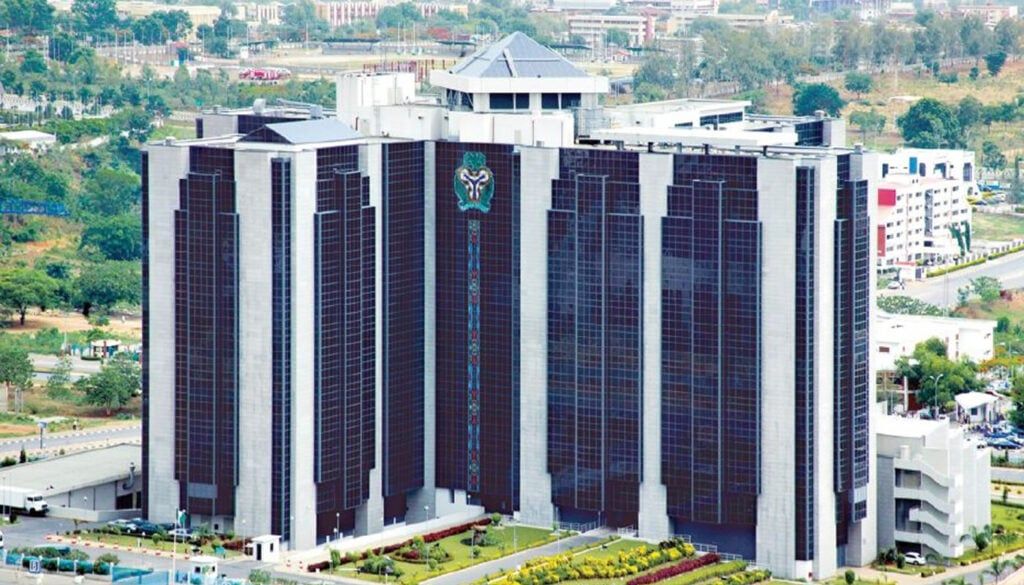
The Central Bank of Nigeria (CBN) has maintained restrictions on Bureau De Change (BDC) operators’ access to the official foreign exchange market, citing concerns over control and past abuses.
This is based on insights from forex traders and market operators who spoke to Nairametrics.
The development highlights the apex bank’s continued preference for bank-led FX distribution amid ongoing concerns about compliance and market stability.
There have also been constant fears about practices like arbitrage and round-tripping among these currency traders.
The BDCs had earlier complained of their struggle to have access to foreign exchange from the official window, with many of them finding it difficult to meet their expenses.
They had always advocated for increased participation and involvement in the foreign exchange market to help sustain the success of the various policies being implemented by the CBN, help provide more liquidity as well as market stability.
Forex traders say the CBN’s cautious stance is driven by concerns over regulatory control and risks associated with the BDC segment.
He added that fears around arbitrage and round-tripping have contributed to the regulator’s reluctance to fully integrate BDCs into the official FX system.
The traders noted that tighter control through banks is seen by the regulator as a way to reduce leakages and improve monitoring of FX flows.
The currency traders have always said that the BDCs, which are licensed to play at the retail end of the forex market, should be fully involved in providing a lasting solution to the ongoing volatility in the exchange rate, especially at the black market.
They argue that excluding them limits liquidity at the retail end of the market and sustains pressure on the parallel market.
The push for inclusion intensified after the June 2023 unification of Nigeria’s FX market, which merged multiple windows into a single system.
Traders warn that banks often do not efficiently serve retail FX demand, creating gaps that informal channels quickly fill, thereby sustaining volatility in the parallel market.
The CBN has continued to implement measures aimed at balancing liquidity with tighter regulatory oversight in the FX market.
In December 2024, BDCs were granted temporary access to purchase up to $25,000 weekly from the Nigerian Foreign Exchange Market (NFEM) to meet seasonal demand.
The directive required transactions at prevailing market rates, with a maximum 1% spread for retail sales.
BDC operators say they have introduced reforms such as automation, compliance training, and self-regulation to address the apex bank’s concerns.
Despite these efforts, analysts say the ongoing restrictions reflect deeper regulatory concerns around transparency, compliance, and control, which continue to shape the CBN’s cautious approach to integrating BDCs into the official forex market.