

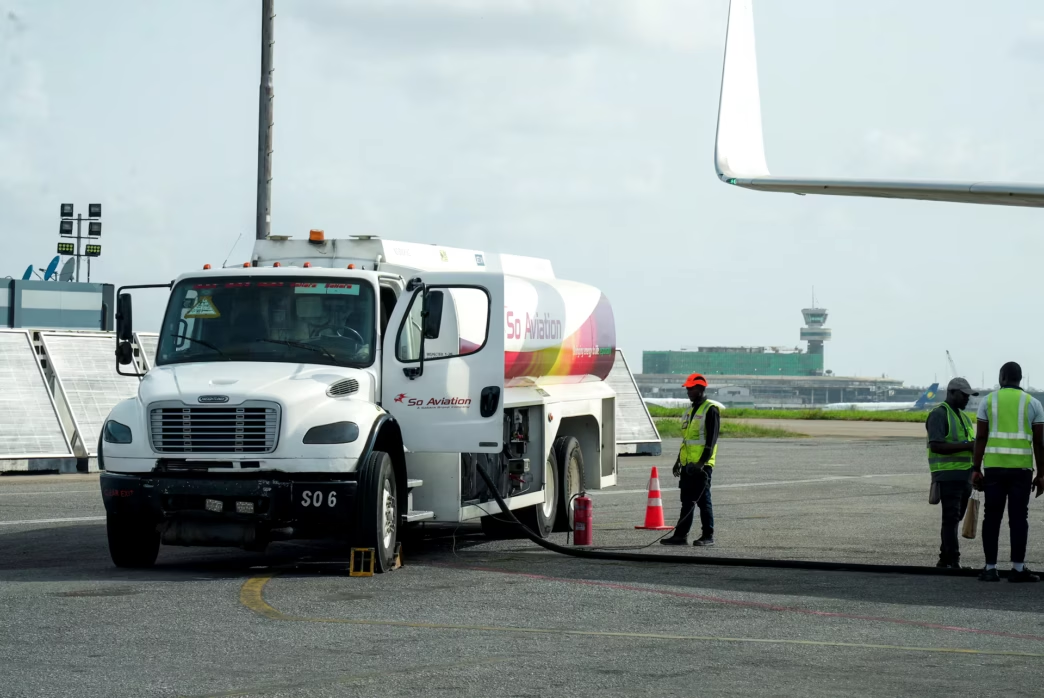
The Federal Government has moved to stabilise Nigeria’s aviation sector by capping jet fuel prices and introducing a 30-day credit window for airlines, following mounting concerns over soaring operating costs and potential flight disruptions.
The intervention, contained in a Midstream and Downstream Petroleum Regulatory Authority (NMDPRA) document reported by Reuters, comes after emergency engagements between regulators, fuel marketers and airline operators, amid warnings that rising aviation fuel costs could trigger capacity cuts and broader disruptions across the sector.
The move also follows President Bola Tinubu’s recent approval of a 30% relief on debts owed by airlines to aviation agencies, as government seeks to ease cost pressures and avert a wider industry crisis.
The NMDPRA said aviation fuel prices would now be guided within a capped range based on benchmarks from April 17 to April 23.
The technical committee also recommended direct fuel sales from marketers to airlines within the benchmark range to lower costs and improve transparency in the supply chain.
The intervention follows sustained pressure in the aviation sector after operators warned that jet fuel prices had surged by over 270%, significantly increasing operating costs and forcing airlines to raise fares.
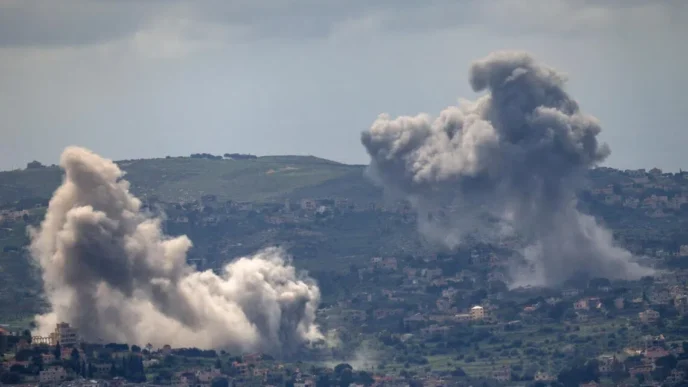
Beyond domestic cost pressures, geopolitical tensions in the Middle East have worsened the situation.
Disruptions around the Strait of Hormuz — a major route for roughly 20% of global energy shipments — have pushed global pricing benchmarks upward, increasing the cost of aviation fuel even where local sourcing exists.
As part of broader discussions, the government is also considering including jet fuel in Nigeria’s naira-for-crude initiative to reduce airlines’ foreign exchange exposure. The committee further urged engagement with Dangote Petroleum Refinery over premiums tied to international benchmark pricing and recommended reviewing the structure of airport fuel distribution to improve efficiency.
The measures form part of broader efforts to contain operating costs in an industry already burdened by high taxes, FX pressures and rising fuel expenses.
The continued rise in aviation fuel prices is partly linked to geopolitical tensions in the Middle East, which led to restrictions around the Strait of Hormuz, a key channel responsible for about 20% of global energy shipments.
However, the Middle East tensions have driven global pricing indices such as Platts on an upward trend in recent weeks. The rise in Platts has translated into higher landing costs for aviation fuel despite local sourcing.