
The price of Brent crude climbed past $120 per barrel on Wednesday afternoon, reaching the highest levels yet seen during the US-Israel-Iran war after President Donald Trump rejected an Iranian proposal to reopen the Strait of Hormuz.
Details: International benchmark Brent crude futures breached $120 per barrel just after 3:30 p.m. EST on April 29. That pushed the price of oil slightly beyond peaks touched earlier in the conflict, when oil briefly jumped above $119. For the day, crude was trading about 8% above Tuesday’s close, with those gains building on last week’s rise of around 15%.
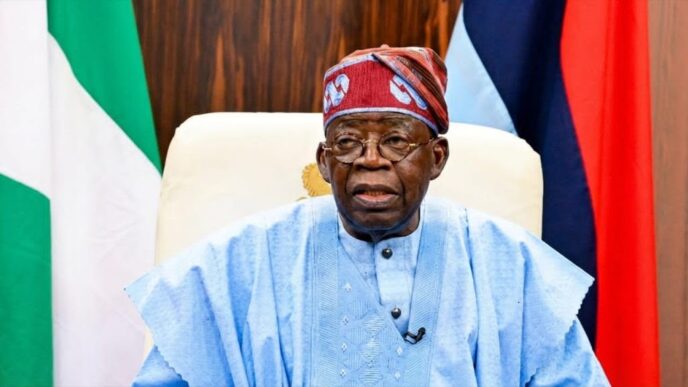
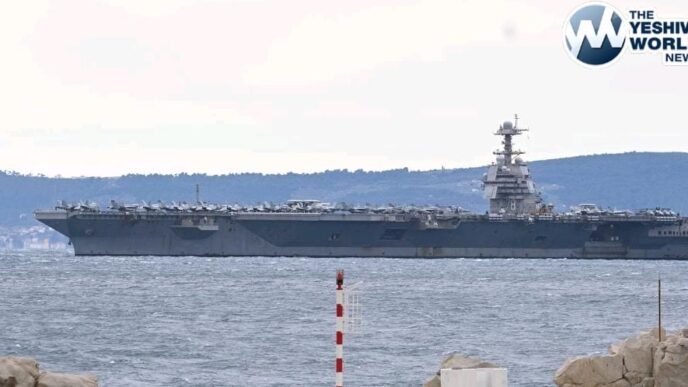
Wednesday’s rally arrived as Trump indicated that the United States will maintain its naval blockade of Iranian ports until Tehran agrees to a deal addressing its nuclear program. Speaking to Axios, Trump said the blockade was proving more effective than direct military action and suggested it could remain in place for an extended period.
At the same time, Axios also reported that US Central Command has prepped a plan for a “short and powerful” wave of strikes on Iran aimed at bringing Tehran back to the negotiating table, with the publication citing unnamed sources with knowledge of the plan. The attacks would likely include infrastructure targets.
For now, Trump’s remarks signal continued deadlock between Washington and Tehran, dimming hopes that the ceasefire announced on April 7 could translate into a broader resolution. Iran continues to restrict shipping through the Strait of Hormuz — a critical choke point for roughly 20% of global oil and liquefied natural gas flows — while Washington has simultaneously moved to stifle Iranian exports.
While Brent prices have flirted with $120 multiple times during the conflict, which began on Feb. 28, the current advance appears more sustained. After sharp whipsawing moves in March, oil has steadily climbed over the past two weeks as optimism around diplomacy has faded.
Why it matters: Oil is now comfortably trading at levels not seen since Russia’s invasion of Ukraine in 2022, which sent energy prices soaring. This renewed climb in crude prices in late April highlights a shift in market dynamics: Instead of reacting to short-term headlines, traders now appear to be pricing in the growing likelihood of a prolonged standoff that continues to disrupt global supply flows.
Brent’s rally comes as shock waves from the war continue tearing at the very fabric of the global energy sector. On Tuesday, the United Arab Emirates announced it would leave the Organization of the Petroleum Exporting Countries on May 1, dealing a huge blow to the powerful oil cartel as key members grapple with fallout from the war.
In response to the announcement, UAE Energy Minister Suhail Al Mazrouei told Bloomberg that the war-driven disruption created an opportune time to leave OPEC. “This is a decision that we took after a very careful and long review of all our strategies,” said Mazrouei. “The decision is taken at the right time, in our view, because it’s not going to hugely impact the market. The market is undersupplied.” According to the minister, Abu Dhabi believes that the shortages caused by the war will require it to respond to market demands without being constrained by OPEC’s collective decision-making process.