

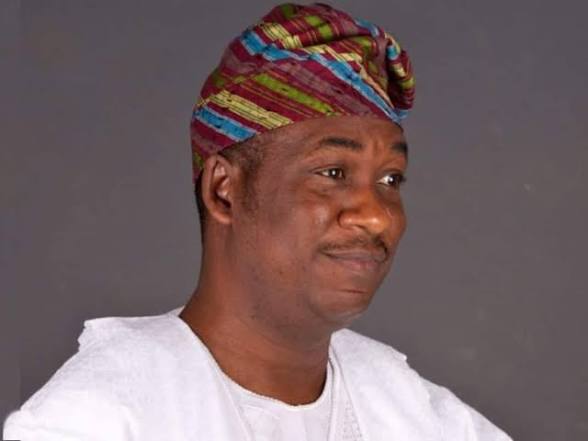
Prince Laja Adeoye, a governorship aspirant for the Peoples Democratic Party (PDP), has voiced concerns regarding the internal democracy within the All Progressives Congress (APC), particularly in light of recent endorsements of Dr. Obafemi Hamzat, the Lagos State Deputy Governor, as the APC’s consensus candidate for the 2027 governorship race.
In a statement issued on Wednesday, Adeoye criticized the series of endorsements received by Hamzat from prominent APC figures such as Governor Babajide Sanwo-Olu, Speaker of the Lagos State House of Assembly Mudashiru Obasa, and Mr. Femi Gbajabiamila, Chief of Staff to the President. He expressed his dissatisfaction with the process, calling attention to what he perceived as the stifling of genuine political ambition within the ruling party.
Adeoye emphasized the need for transparent and competitive processes in leadership selection within political parties. He accused the APC of undermining its own internal democracy through what he called a “questionable consensus.” According to him, for democracy to thrive, political parties must allow for credible primaries and broad participation, thus strengthening public trust and cultivating a culture of democracy.
He said, “The reported endorsement of Dr. Obafemi Hamzat underscores the importance of transparent and inclusive processes in candidate selection. Political parties must ensure that their internal mechanisms reflect democratic values and allow fair competition among aspirants.”
Adeoye further noted that such open processes are crucial for boosting confidence not only among party members but also within the wider electorate as the general elections approach.
In his statement, Adeoye outlined his vision for Lagos, stressing the need for leadership driven by competence, vision, and a commitment to delivering tangible results for the people. He asserted that Lagos, as Nigeria’s economic hub, needs policies that address infrastructure deficits, social services, and economic inclusivity.
“Lagos deserves leadership that emerges from a process that encourages ideas, debates, and participation from a wide range of stakeholders,” he said. “Such a process will ultimately produce leaders who are accountable and responsive to the needs of the people.”
Adeoye emphasized that his development agenda, called the “Better Lagos Agenda 2027,” is focused on fostering inclusive growth and sustainable development. Key pillars of the agenda include infrastructure renewal, completion of major transport projects, and the establishment of a smart traffic management system.
The agenda also seeks to support micro, small, and medium enterprises (MSMEs) through structured funding, tax incentives, and investment promotion to boost job creation. In addition, Adeoye plans to strengthen community-based security initiatives, integrating modern technology and improving welfare for security personnel.
Adeoye’s comprehensive blueprint also targets improvements in housing, healthcare, education, and environmental sustainability. He committed to expanding affordable housing and upgrading communities with essential infrastructure. He also pledged to enhance access to quality primary healthcare, improve insurance coverage, and provide better educational opportunities and skills training for the people of Lagos.
On environmental sustainability, Adeoye stressed the importance of flood control measures, waste management, and the promotion of climate-resilient infrastructure.
Adeoye made it clear that transparency and accountability would be central to governance under his administration. “We will digitize government services to enhance efficiency, reduce leakages, and improve service delivery. Public accountability systems will be strengthened to ensure prudent use of resources and build public trust,” he stated.
He concluded by stating that the 2027 election would be a critical moment to deepen democracy and deliver inclusive development for the residents of Lagos.