

The United Arab Emirates (UAE) has announced that it will leave the Organization of the Petroleum Exporting Countries and the wider OPEC+ alliance from May 1, as it moves to respond more effectively to changing global oil demand.
In a statement released by its Energy Ministry, the UAE said the decision will allow it to better align its oil production strategy with evolving market conditions. The country also plans to gradually increase its oil production capacity to meet shifting demand patterns worldwide.
The move follows long-running tensions within OPEC, particularly between the UAE and Saudi Arabia, over production limits. While OPEC has maintained strict output controls, the UAE has consistently pushed for higher production levels to maximise its capacity. Ongoing conflict in the Middle East has also played a role in reshaping regional priorities and influencing the decision.
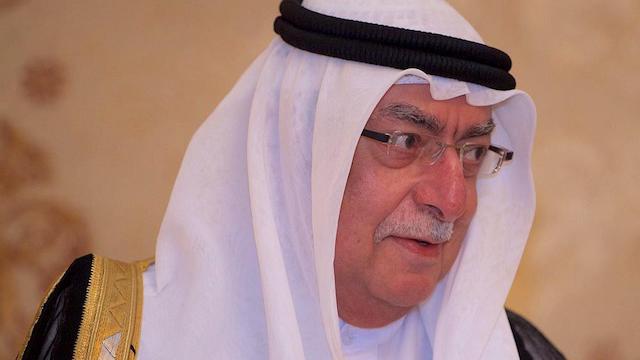
Reacting to the broader situation, UAE diplomatic adviser Anwar Gargash criticised the response of regional blocs to the conflict, describing their political and military stance as weak.
The UAE’s exit is expected to deal a blow to OPEC and OPEC+, which are largely led by Saudi Arabia. Losing a key oil producer could weaken the group’s unity and make it more difficult to coordinate global oil supply.
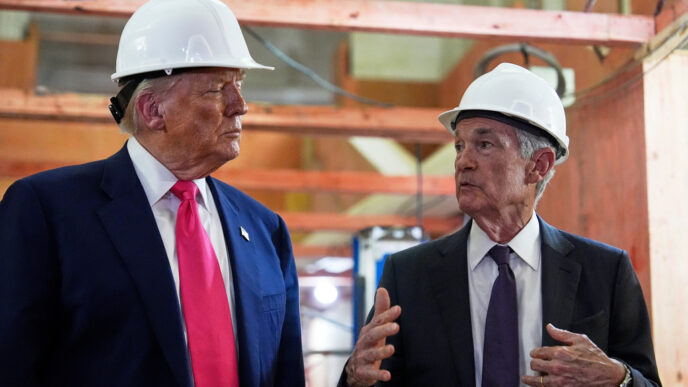
For the United States, the development may be favourable. President Donald Trump has repeatedly criticised OPEC for influencing high oil prices. A less unified OPEC could lead to increased supply and potentially lower prices.
For the UAE, the decision offers greater control over its oil production and an opportunity to capture more market share. However, it also carries risks, including possible diplomatic tensions within the Gulf region and reduced influence in collective oil policy decisions.
OPEC currently accounts for about 40% of global crude oil production, although its share has been declining. The group’s output dropped significantly in March to 20.79 million barrels per day, marking one of the steepest declines in decades. It had recently announced plans to increase production in May 2026 to help stabilise the market.
The situation is further complicated by challenges in transporting oil through the Strait of Hormuz, a key route through which about a fifth of the world’s oil passes, amid rising tensions linked to Iran.