
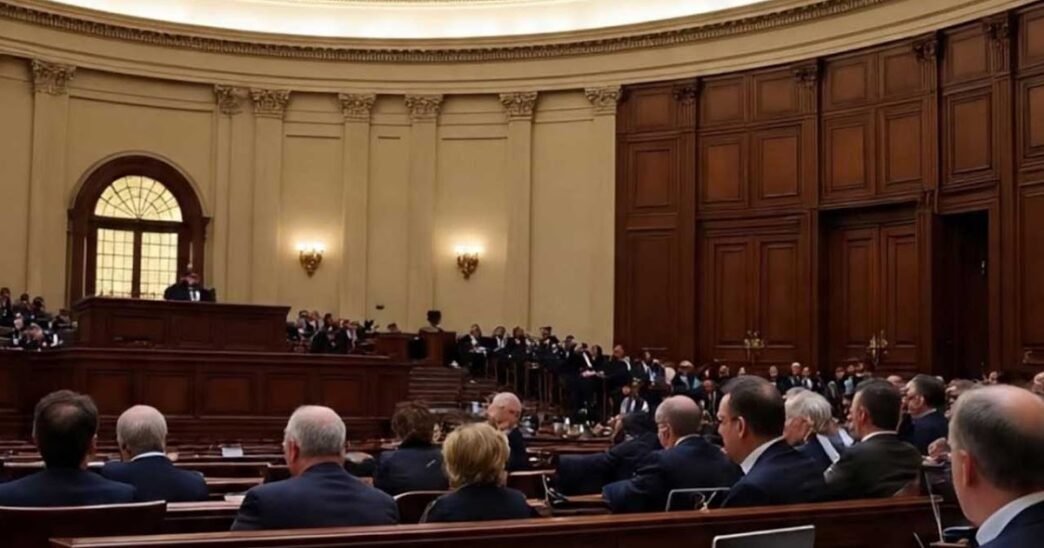
The United States House Appropriations Committee has advanced a bill that would place strict conditions on financial assistance to Nigeria until the government takes concrete steps to address widespread violent attacks and terrorism in the country.
The proposed legislation is part of the Fiscal Year 2027 National Security, Department of State, and Related Programs Appropriations Act.
It stipulates that 50 percent of funds appropriated for the Nigerian government may not be disbursed until the US Secretary of State certifies that Nigeria is:
Taking effective steps to prevent and respond to violence and hold perpetrators accountable;
Prioritising support for victims of violence, including internally displaced persons;
Actively facilitating the safe return, resettlement, and reconstruction of affected communities; and
Allocating sufficient resources to meet these goals.
The bill highlights violence perpetrated by Fulani militia groups, jihadist terror organisations, and criminal gangs.
It also directs that available funds should support religious freedom and the investigation and prosecution of such attacks.
Rep. Riley Moore, a member of the committee, criticised the Tinubu administration, stating that Nigeria is spending millions lobbying Congress while failing to adequately address what he described as the “genocide Nigerian Christians face daily.”
He added that the US “will not turn a blind eye to the brutal persecution of our Nigerian brothers and sisters in Christ.”
The appropriations bill includes significant funding for Africa-related national security programmes, anti-terrorism assistance, and humanitarian aid.
However, a portion of assistance to Nigeria would be withheld pending certification of progress on security and accountability issues.
The move reflects growing concerns in the US Congress about the Nigerian government’s handling of persistent insecurity, particularly attacks targeting Christian communities in parts of the country.
The bill still requires full approval by the House of Representatives and the Senate before it can become law.
By
TheTimes Nigeria