


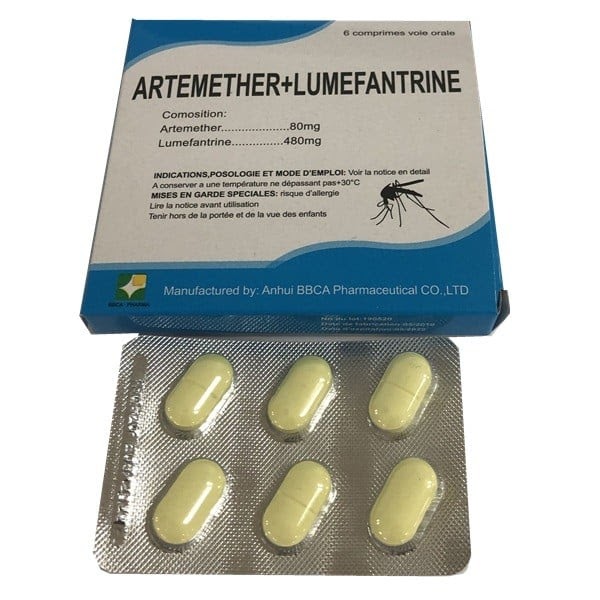
The World Health Organisation (WHO) has announced the
prequalification of the first malaria treatment specifically designed for
newborns and young infants.
The announcement means the medicine meets international
standards for quality, safety and efficacy, and can now be procured for public
health use.
The newly approved treatment, artemether-lumefantrine, is
tailored for babies weighing between two and five kilogrammes, making it the
first antimalarial formulation developed specifically for the youngest and most
vulnerable patients.
Infants diagnosed with malaria have previously been treated
with drugs intended for older children, increasing the risk of dosing errors,
side effects and toxicity.
In a statement announcing the development, the WHO said the
medicine could help expand access to safe and effective treatment for millions
of infants, particularly in Africa, where an estimated 30 million babies are
born each year in malaria-endemic regions.
Tedros Ghebreyesus, WHO director-general, said for
centuries, malaria has stolen children from their parents, and health, wealth
and hope from communities.
“But today, the story is changing. New vaccines, diagnostic
tests, next-generation mosquito nets and effective medicines, including those
adapted for the youngest, are helping to turn the tide,” he said.
“Ending malaria in our lifetime is no longer a dream, it is
a real possibility, but only with sustained political and financial commitment.
Now we can. Now we must.”
In a related development, the WHO also announced the
prequalification of three new rapid diagnostic tests (RDTs) aimed at addressing
emerging challenges in malaria detection.
Traditional RDTs for the most common malaria parasite,
Plasmodium falciparum, rely on detecting a protein known as HRP2.
However, the WHO said studies across 46 countries have shown
that some strains of the parasite have evolved to stop producing this protein,
making them undetectable by these tests.
The newly prequalified tests instead target a different
protein, pf-LDH, which the parasite cannot easily shed.
The WHO said the tests provide “a reliable, quality-assured
alternative where HRP2-based tests are failing”.
The agency now recommends that countries switch to the new
tests when more than five percent of cases are missed due to these genetic
mutations.
By
TheTimes Nigeria