
The electricity distribution company apologised for the disruption for the persistent outages in the state.
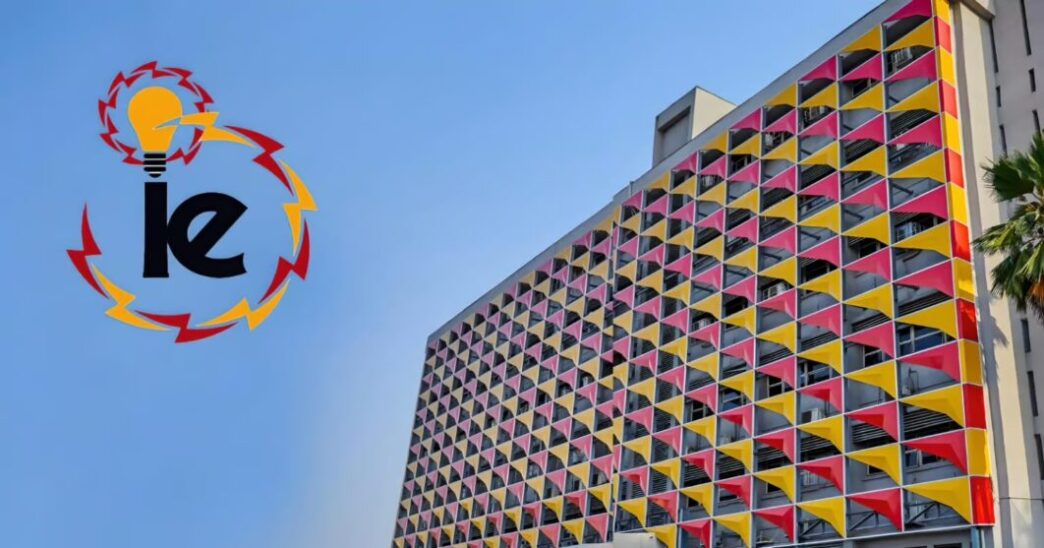
The Ikeja Electric Plc has asked customers in Lagos to remain patient amid ongoing power outages, attributing the situation to reduced electricity allocation from the national grid.
In a statement posted on its X handle on Friday, the company apologised for the disruption, noting that some parts of its network were experiencing supply constraints.
“We sincerely regret the ongoing power supply challenges currently affecting some areas within our network due to reduced power allocation from the grid,” the company said.
It added that, to manage the shortfall and maintain grid stability, it had introduced temporary load shedding across affected feeders.
“As part of efforts to maintain grid stability and ensure equitable distribution of available power, temporary load shedding is being implemented across affected feeders and locations,” it stated.
The company said it was working with relevant stakeholders to improve supply and minimise the impact on customers.
The latest notice follows months of unstable electricity supply in Lagos and other parts of Nigeria, driven largely by a drop in generation linked to gas shortages.
Amid the persistent outages, the Lagos State Government signed power purchase agreements (PPAs) with three generation companies in April to strengthen electricity supply and reduce reliance on the national grid.
Governor Babajide Sanwo-Olu witnessed the signing at Lagos House, Marina, with the Commissioner for Energy and Mineral Resources, Abiodun Ogunleye, signing on behalf of the state.
The agreements involve Mainland Power Limited, Fenchurch Power Limited and Viathan Engineering—three independent power producers operating within Lagos.
Mr Sanwo-Olu said the agreements were designed to improve reliability, particularly for critical public infrastructure, while correcting inefficiencies in earlier arrangements.
“Today at Lagos House, Marina, I witnessed the signing of three power purchase agreements designed to build on existing capacity and address what has not been working,” the governor said.
He explained that Fenchurch Power would support major water facilities in Adiyan and Iju, while Mainland Power would continue supplying electricity to Ikeja, Oshodi and Anthony, with room for expansion. Viathan Engineering, he added, would sustain supply to key public facilities on Lagos Island.
The governor noted that the agreements had been restructured to reflect market realities, with payments now tied strictly to metered electricity supplied.
“We will no longer pay for power that is not delivered. Payments are now tied to actual, metered supply,” he stressed.
Mr Ogunleye said the state aims to scale generation capacity from about 60 megawatts to between 200MW and 400MW within two to three years through private sector investment.
He added that the Akute Independent Power Plant—now operated by Fenchurch Power—is undergoing rehabilitation after years of inactivity and is expected to serve surrounding communities, including the Adiyan Water Works.
On Lagos Island, Viathan Engineering is overseeing the Peninsula Integrated Power Project, with a combined installed capacity of 21MW across Lekki and Marina, supplying electricity to major government and health facilities.
In March, Ikeja Electric linked the worsening power situation to a nationwide drop in electricity generation caused by insufficient gas supply to thermal plants.
The company’s Head of Corporate Communications, Kingsley Okotie, said the shortfall had significantly reduced energy available on the national grid and allocations to distribution companies.
“The ongoing reduction in electricity supply is largely due to a nationwide drop in power generation, caused by limited gas supply to thermal power plants,” he noted.
The situation, he noted, has resulted in intermittent outages and load shedding across the company’s network.
Reports say the persistent outages have increased reliance on alternative energy sources, with residents and businesses reporting rising operating costs.
Kemi Adebayo, a frozen food trader, told the News Agency of Nigeria (NAN) that she depended heavily on generators to preserve her goods.
“I run my generator more than I use public power. If there is no light, my goods spoil. If I use fuel, I lose profit,” she emphasised.
Sani Ibrahim, a welder, described the situation as unsustainable.
“We spend more on diesel than on raw materials. Sometimes, customers leave because we cannot deliver on time,” he reiterated.