

TEHRAN – Iran’s judiciary chief Gholamhossein Mohseni Ejei said on May 1 that Tehran remained open to talks with the United States but would not accept what he called policy “imposition” under threats.
“The Islamic Republic has never shied away from negotiations… but we certainly do not accept imposition,” Mr Ejei said in a video carried by the judiciary’s Mizan Online website.
“We do not welcome war in any way; we do not want war, we do not want its continuation,” he said.
He however insisted that Iran was “absolutely not willing to abandon our principles and values in the face of this malicious enemy in order to avoid war or prevent its continuation”.
Iran and the US held a single round of talks against the backdrop of a fragile ceasefire following nearly 40 days of war that broke out on Feb 28.
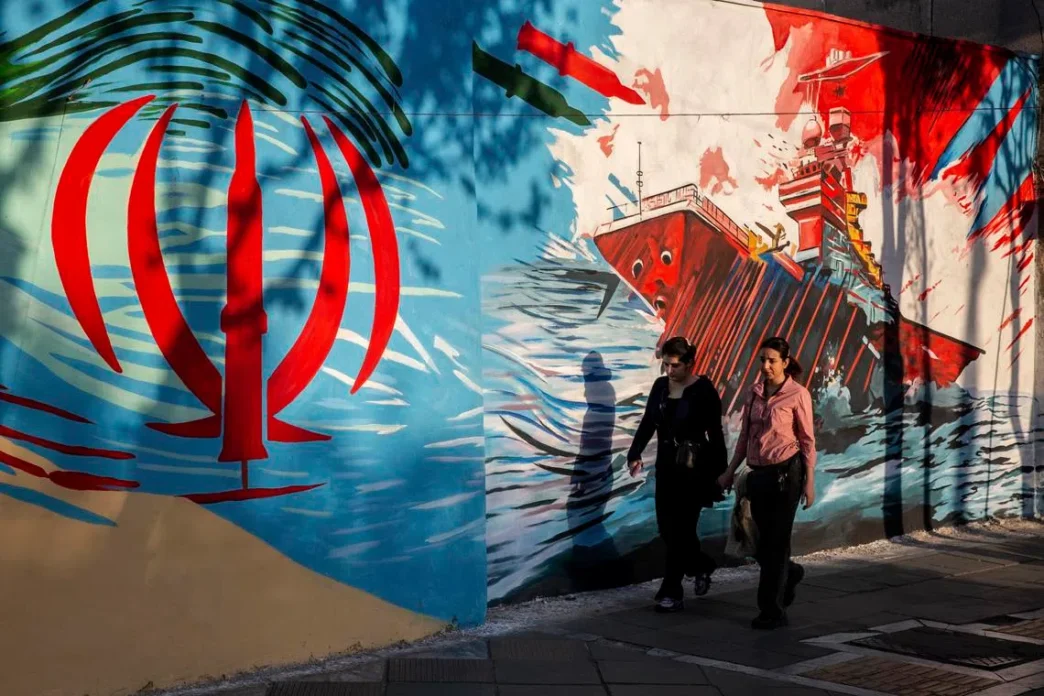
Talks have since stalled as the US imposed a naval blockade on Iranian ports, while Iran has kept the strategic Strait of Hormuz largely shut, allowing only a trickle of ships through the waterway since the start of the war.
On April 30, US news website Axios reported that President Donald Trump was expected to receive a briefing on potential military action against Iran from Admiral Brad Cooper, the head of the US Central Command.
Israeli Defence Minister Israel Katz warned that it was “possible that we may soon have to act again” against Iran to achieve the war’s objectives.
Mr Ejei insisted that the US achieved “nothing” during the war, adding that Tehran would not “back down” in negotiations.
In a written message on April 30, Iran’s Supreme Leader Ayatollah Mojtaba Khamenei said the US suffered a “disgraceful defeat” during the war.
He added that Iranians would guard their “nuclear and missile” capabilities as part of their “national capital”. AFP