
He explained that the office was founded as an independent, impartial body to protect taxpayer rights, resolve grievances, and promote fairness in tax administration.
The Office of the Tax Ombud has appealed for public sensitisation of taxpayers on its role, particularly on how Nigerians can file complaints or grievances on tax matters at no cost.
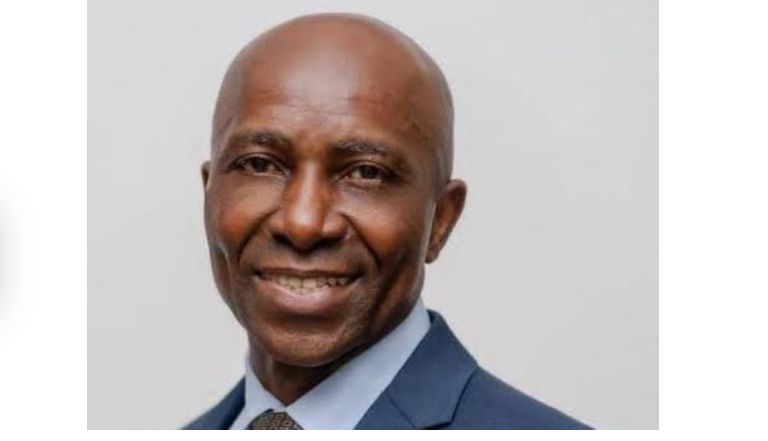
The call was made by the Tax Ombud/Chief Executive, Office of the Tax Ombud, John Nwabueze, on Thursday in Lagos.
According to Mr Nwabueze, the office is on the verge of unveiling its website and a toll-free call centre for easy access to its services. Mr Nwabueze also emphasised the role of the press in propagating the ongoing fiscal reforms.
He explained that the office was founded as an independent, impartial body to protect taxpayer rights, resolve grievances, and promote fairness in tax administration.
Mr Nwabueze stressed that the creation of the office offers a new pathway for Nigerians to participate actively in the nation’s economic development.
According to the Tax Ombud, the establishment of the office demonstrates Nigeria’s commitment to a modern, people-focused tax system that balances domestic revenue needs with justice and due process.
This, he said, not only encourages voluntary compliance but also aligns with the broader reforms of the Tinubu-led administration, which seeks to reposition taxation as a tool for inclusive development and shared national responsibility.
Noting that the tax system must be fair, responsive, and just to be effective, Mr Nwabueze explained that the Office of the Tax Ombud acts as a bridge between taxpayers and tax and revenue authorities, providing accessible dispute-resolution mechanisms that are essential to public trust and effective governance.
Mr Nwabueze also commended the President Bola Tinubu-led administration for leading transformative tax reforms rooted in fairness, inclusiveness, and sustainability for revenue growth and economic prosperity.
The tax ombud boss added that at the core of the reforms lies a renewed social contract, one in which taxpayers are not passive participants, but active partners in nation-building.
Speaking on the role of his office in Nigeria’s tax system, Mr Nwabueze explained that his office neither determines tax liability nor replaces the courts or the Tax Appeal Tribunal, but was established to ensure that tax administration is conducted in a fair, transparent, and accountable manner.
He added that beyond dispute resolution, the Office of the Tax Ombud, created in 2013, plays a systemic role in identifying recurring issues in tax and revenue administration and recommending reforms to improve efficiency, fairness, and transparency.