
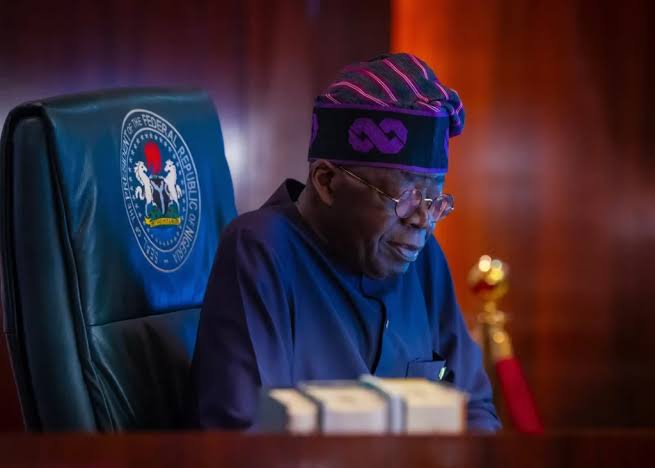
President Bola Tinubu, represented by the Secretary to the Government of the Federation (SGF), Senator George Akume, reaffirmed his administration’s commitment to addressing two critical issues—insecurity and poverty—which he described as major barriers to achieving decent work and fostering national progress.
Speaking at the 2026 Workers’ Day celebration in Abuja, Tinubu highlighted that the theme for this year’s celebration, “Insecurity and Poverty: The Bane of Decent Work Agenda,” was particularly pertinent. He noted that these challenges are not only impacting Nigeria but also many other developing nations striving for stability and prosperity.
“Insecurity and poverty are twin challenges that hinder the achievement of decent work,” said Tinubu, stressing that workers cannot thrive in unsafe environments or when wages are insufficient to meet basic needs. He reaffirmed that his administration has treated these issues as national emergencies since taking office on May 29, 2023.
“No nation can provide decent work if workers fear for their lives or cannot feed their families due to insufficient wages,” he added, emphasizing that insecurity disrupts critical sectors such as farming, manufacturing, and the market economy.
The government has responded with a multi-faceted approach to addressing these challenges. Tinubu explained that the federal government, in collaboration with states, launched the Community Protection Guards Initiative, which has already trained and employed 45,000 youths to enhance community security while also providing much-needed employment.
In terms of economic support, Tinubu’s administration expanded the National Social Investment Programme, which now reaches 15 million vulnerable households through conditional cash transfers. Recent data from the National Bureau of Statistics revealed that about 7.5 million Nigerians have been lifted out of poverty through this initiative.
The president also highlighted the implementation of a new national minimum wage in 2024, ensuring that no federal worker earns below the approved threshold. His administration has also focused on large-scale infrastructure projects, such as the Lagos-Calabar Coastal Highway, Sokoto-Badagry Superhighway, and the Ajaokuta-Kaduna-Kano Gas Pipeline. These projects have not only improved national infrastructure but also created over 600,000 jobs, accompanied by social protection benefits like pensions and health insurance.
Further supporting small businesses, the government rolled out a N200 billion Micro, Small, and Medium Enterprises (MSME) fund, benefiting over one million businesses and preserving jobs in Nigeria’s informal sector.
The Presidential Compressed Natural Gas (CNG) Initiative was also mentioned as a key intervention, with over 100,000 commercial vehicles now converted, reducing transportation costs by up to 40%.
On workers’ welfare, Tinubu’s government has addressed pension arrears and expanded the micro pension scheme to include over 800,000 artisans and traders. Gratuity payments have been reinstated, and workers’ allowances have been reviewed upward, marking significant progress in improving their welfare.
Reaffirming his dedication to job creation, economic diversification, and inclusive growth, President Tinubu called for continued dialogue with organized labour and urged that strikes be considered only as a last resort. He pledged that his administration would uphold labour laws and align Nigeria’s practices with international standards.
Tinubu concluded his speech by thanking Nigeria’s security agencies for their contributions to safeguarding the nation, emphasizing that his administration would persist in its efforts to overcome insecurity and poverty, ensuring decent work opportunities for all Nigerians.