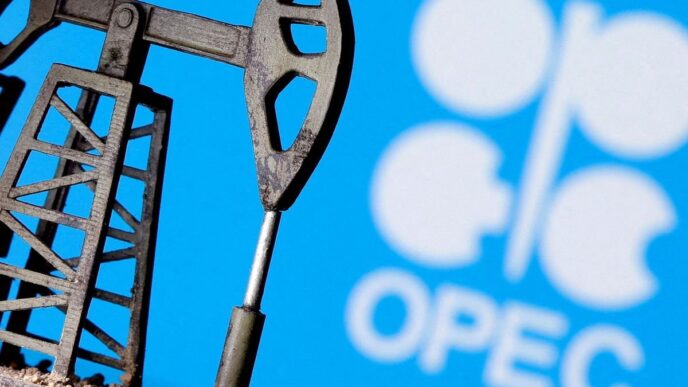

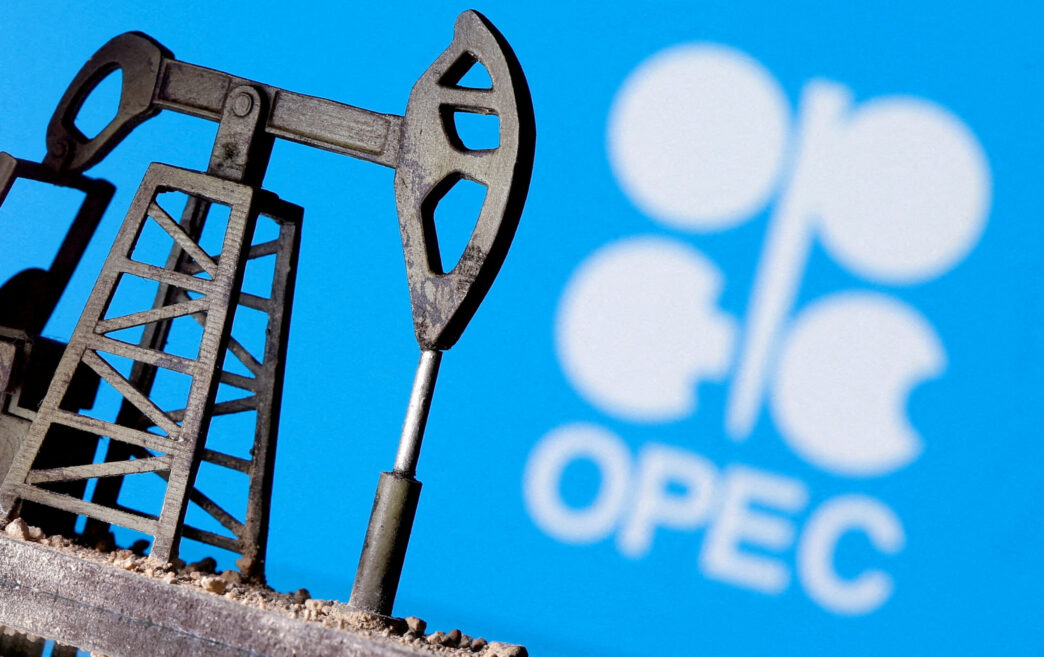
The United Arab Emirates (UAE) has announced plans to leave the Organization of the Petroleum Exporting Countries (OPEC) and the broader OPEC+ alliance in May, in a move aimed at responding to changing global oil demand.
The decision, set to take effect on May 1, was disclosed in a statement by the country’s Energy Ministry on Tuesday and reported by Bloomberg.
The ministry said the UAE’s exit will enable it to better align with evolving market conditions, noting that the country intends to gradually ramp up its oil production capacity to meet shifting demand patterns.
The move comes amid longstanding tensions within OPEC, particularly between the UAE and Saudi Arabia, as Abu Dhabi has pushed to expand its production capacity — a position that has repeatedly put it at odds with the cartel’s output restrictions.
This dynamic appears to have been further shaped by the ongoing conflict in the Middle East, which has altered regional priorities and alliances.
Speaking on the broader geopolitical situation, Anwar Gargash, diplomatic adviser to the UAE president, criticised the response of regional blocs to the ongoing war.
The UAE’s exit represents a significant blow to OPEC and OPEC+, potentially weakening the cohesion of the Saudi Arabia-led alliance at a time when unity is critical to managing global oil supply disruptions.
The departure of one of its key producers could create internal disarray and reduce the group’s ability to coordinate production policies effectively.
For the UAE, the move offers greater autonomy over its oil production strategy, allowing it to fully utilise its expanding capacity and capture more market share. However, it also carries risks, including potential diplomatic fallout within the Gulf region and reduced influence in collective oil policy decisions.
Recent developments within OPEC show the fragile state of the global oil market. Crude oil production by the group fell sharply by 27.5% to 20.79 million barrels per day (bpd) in March, marking one of the steepest supply disruptions in decades — surpassing even the cuts seen during the COVID-19 pandemic in 2020.
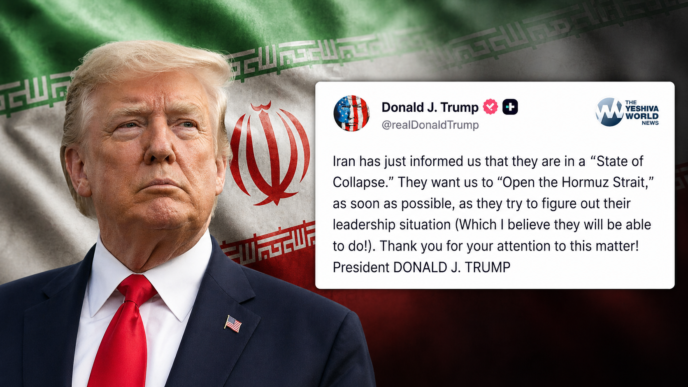
The situation has been further complicated by challenges faced by Gulf producers in transporting oil through the Strait of Hormuz, a critical chokepoint through which about a fifth of the world’s crude oil and liquefied natural gas typically passes, amid rising tensions and attacks linked to Iran.