
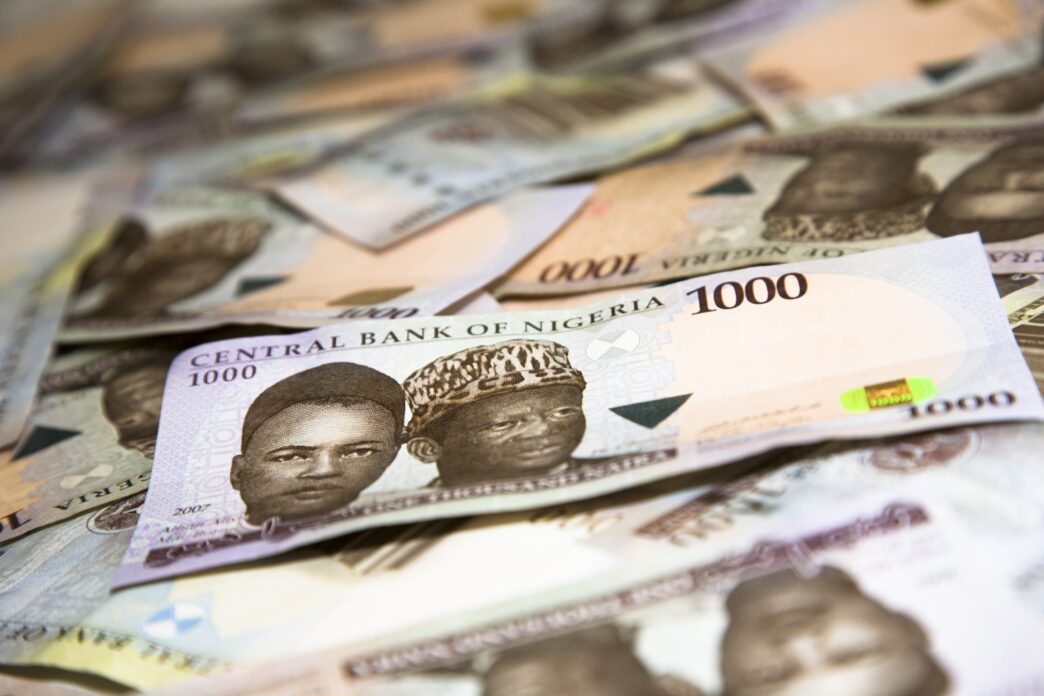
On July 18, 2024, President Bola Tinubu signed into law a new national minimum wage of N70,000 after intense negotiations with the Nigeria Labour Congress (NLC) and Trade Union Congress.
The reform also shortened the wage review cycle from five years to three — a move aimed at keeping workers’ earnings in line with economic realities.
Now, more than two years later, implementation across Nigeria tells a mixed story.
While some states have gone beyond the federal benchmark, others are just meeting it — and a few are still struggling to fully implement it.
Nairametrics Research has put together the minimum wage approve for states in Nigeria as of April 30, 2026. We relied on the official minimum wage pronouncements from every state since 2024.
Here’s a comprehensive look at what states are currently paying as of April 2026:
The Imo State Government officially commenced payment of a new N104,000 minimum wage to workers, exceeding the national benchmark of N70,000.
Governor Hope Uzodimma fulfilled the promise as part of efforts to improve worker welfare, with employees receiving payment alerts reflecting the revised salary structure as of early October 2025.
Under the new pay framework, medical doctors are set to earn N513,000, while entry-level lecturers in state tertiary institutions receive N220,000.
The Ebonyi State Government, under Governor Francis Nwifuru, implemented a new minimum wage of N90,000 for civil servants, raising it from N70,000 as announced on August 27, 2025, with immediate effect to enhance worker welfare.
Earlier, in August 2024, the governor had approved the payment of a N70,000 minimum wage for state civil servants.
In October 2024, Babajide Sanwo-Olu, governor of Lagos State, announced that his administration would implement a new minimum wage of N85,000 for workers.
Prior to this approval, the state had already been paying a N35,000 wage award alongside the existing minimum wage, which pushed workers’ minimum take-home pay above N70,000 as far back as January 2024.
The Rivers State Government, under Governor Siminalayi Fubara, began paying an improved minimum wage of N85,000 to state workers, starting with the November 2024 salaries.
Niger State Governor, Mohammed Umaru Bago, approved and commenced payment of an N80,000 minimum wage for state and local government civil servants, starting in November 2024.
Governor Peter Mbah of Enugu State approved a minimum wage of N80,000 for state and local government workers, effective October 2024.
The state chairman of the Nigeria Labour Congress, Fabian Nwigbo; his counterpart in the Trade Union Congress, Ben Asogwa; and the chairman of the state’s Joint Public Service Negotiating Council, Ezekiel Omeh, confirmed that the new wage was reflected in workers’ November 2024 salaries.
Governor Umo Eno of Akwa Ibom State approved the payment of a N80,000 minimum wage for civil servants, effective November 2024.
Reports from January 2025 also indicated that the governor directed the Office of the Accountant General to implement the new wage for about 45,984 verified public servants in the state, with payments taking effect from that period.
As of April 2026, reports indicate that the Bayelsa State Government has been making progress toward the full implementation of a new minimum wage, including efforts to clear outstanding salary arrears.
In June 2025, the state government confirmed the commencement of implementation of a new N80,000 minimum wage for civil servants.
Governor Douye Diri had earlier reaffirmed during the 2025 May Day celebrations that his administration was committed to the wage increase, along with additional salary increments of 25% and 35%.
Prior to this, in late 2024, the governor had announced a revised wage structure for state workers, which took effect from November 1, 2024.
Governor Dapo Abiodun of Ogun State approved a new minimum wage of N77,000 for state workers, effective from October 2024, as confirmed by BCOS Television.
In September 2025, organised labour in the state demanded a revised minimum wage of N150,000 for civil servants, citing rising economic hardship and the need to improve workers’ living conditions.