
WASHINGTON – The US Congress voted on April 30 to extend a high-profile warrantless surveillance law by six weeks, moving hours before its midnight expiration to punt the deadline as lawmakers continued to clash over proposals to add new privacy limits.
It is the second time in April that Congress had provided a short-term patch for the law, a section of the Foreign Intelligence Surveillance Act. The move allowed more time for negotiations over an issue that has pitted civil liberties-minded lawmakers of both parties against both Republican and Democratic centrists and security hawks.
The law, known as Section 702 of FISA, allows the government to collect – from domestic companies such as Google and AT&T, and without a warrant – the communications of foreigners abroad, including when those targets are interacting with Americans.
Enacted in 2008, Section 702 legalised a form of the Stellarwind programme, the once-secret warrantless wiretapping programme that the Bush administration launched after the 9/11 attacks. Congress wrote a “sunset” deadline into the statute to ensure that lawmakers would have to periodically review – and potentially modify – the programme.
Privacy-minded lawmakers have long wanted to require a court order to access information about Americans whose private messages were swept up in the programme. In the current cycle, such lawmakers have also proposed using the bill to bar the government from purchasing data about Americans from data brokers if a warrant would be required to collect the information directly.
The House passed a three-year extension bill on April 29 after placating hard-right opponents by adding an unrelated ban on a federal cryptocurrency. But senators balked at that addition and demanded changes, which threatened to delay the measure’s approval past the expiration deadline. Instead, leaders were forced to cut a deal to fast-track a temporary fix through the Senate.
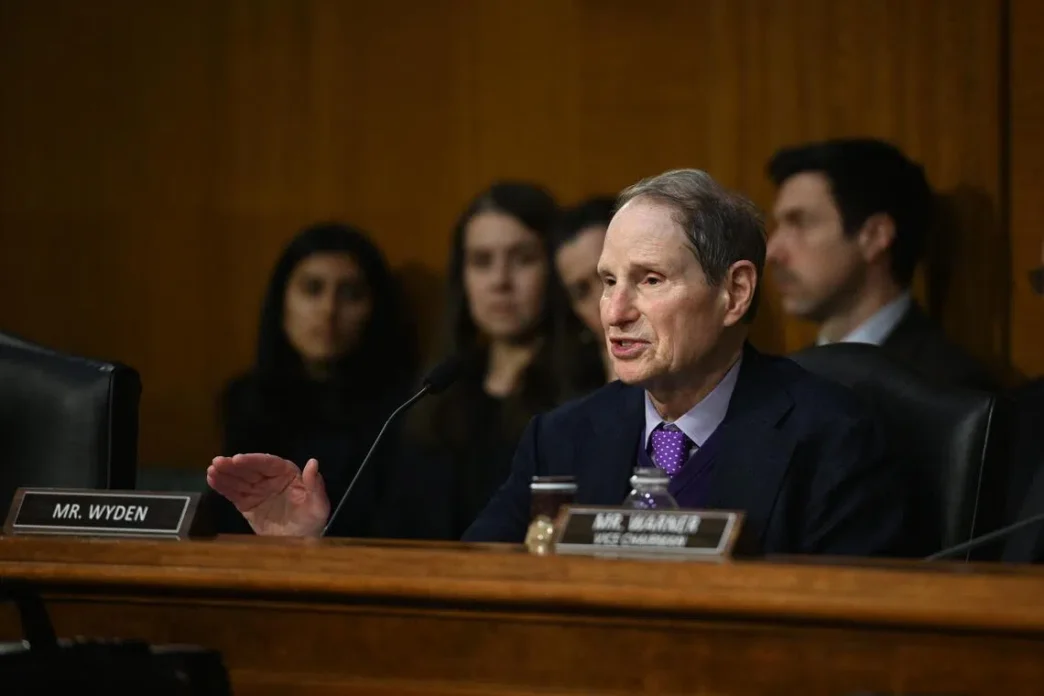
To do so, they bowed to a demand from Senator Ron Wyden who is a longtime advocate of greater limits on government surveillance, to seek the declassification and public release of a March ruling by the nation’s intelligence court about the surveillance programme. Mr Wyden argued that the details should be made public so they could be part of the debate over a longer-term extension of the law.
The court found that certain tools that analysts at spy agencies have been using to process messages collected by the programme effectively evaded rules meant to protect Americans’ privacy. A judge ordered the government to stop using the tools, and the Trump administration is appealing the ruling.
The short-term extension bill then went back to the House, where Republicans had for weeks been feuding over the bill as a group of libertarian-leaning Republicans refused to back an extension without adding privacy protections.
Without the cryptocurrency ban, that faction again opposed consideration of the bill, forcing GOP leaders to manoeuvre around their opposition and bring up the Senate measure anyway. They fast-tracked the bill through the House using special procedures that limit debate but also require a two-thirds supermajority for passage.
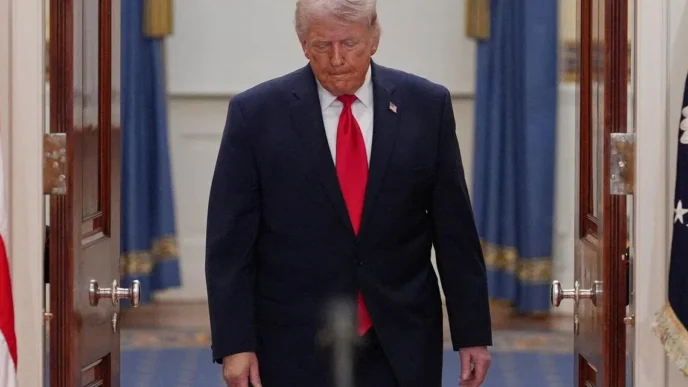
The legislation passed 261-111, with 26 Republicans opposed and 94 Democrats in favour. That sent the measure to US President Donald Trump for his signature.
Libertarians in the House protested the move.
“I rise in opposition to this,” said Representative Chip Roy. “We should move forward and actually try to get actual debate on this, but I do not accept what the Senate is doing to step over what the House did earlier.”
While much of the negotiating on the bill has been driven by the looming expiration of Section 702, the law allows the warrantless surveillance programme to continue operating until the expiration of annual certification orders issued by the Foreign Intelligence Surveillance Court. The court issued the most recent set of orders March 17, so the programme can keep operating until that date in 2027 even if the statute lapses before then.
The March 17 ruling took issue with filtering systems used by analysts at agencies with access to the raw data – like the CIA, FBI and NSA – saying that certain uses of them amounted to queries for Americans’ information, which is supposed to be subject to extra limits.
“That ruling found serious violations of Americans’ constitutional rights in how the Trump administration has used Section 702,” Mr Wyden said. “The Congress should not vote – should not vote – to renew Section 702 while Americans are left in the dark about these troubling abuses.”
Senator Tom Cotton, who is the chair of the Intelligence Committee, accused Mr Wyden of “continuing his long-standing practice of grossly misrepresenting classified material in public for his own ideological ends”.
Nevertheless, later on April 30, Mr Cotton, along with the top Democrat on the Intelligence Committee Senator Mark Warner of Virginia, agreed to send a letter to the Trump administration requesting the prompt declassification of the March 17 ruling. NYTIMES