
APC governors strengthen control at grassroots levels
Lawmakers, party stakeholders raise concerns over internal democracy
Tensions rise across states as endorsements and rivalries intensify
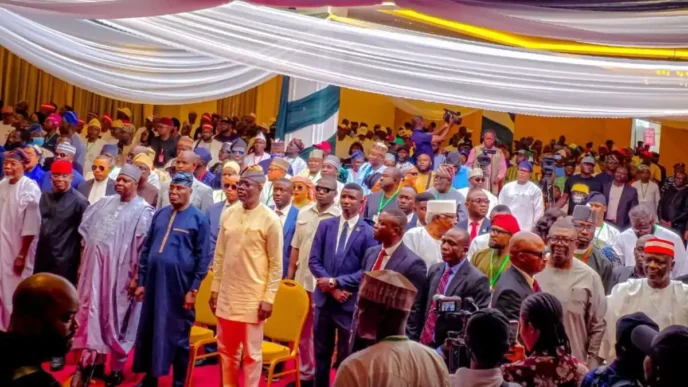
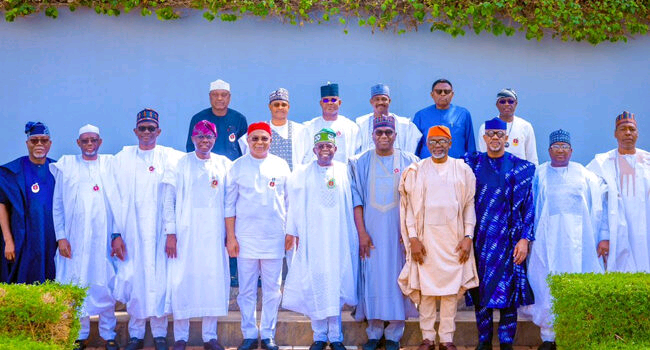
Governors elected on the platform of the All Progressives Congress (APC) are consolidating control of party structures nationwide ahead of the 2027 primary elections, a move that has triggered concern among party stakeholders.
Findings indicate that the governors are tightening their influence over ward, local government and state executive structures—critical layers that determine mobilisation and voting strength under the party’s direct primary system.
ATTENTION: Click “HERE” to join our WhatsApp group and receive News updates directly on your WhatsApp!
The development has unsettled party elders, federal lawmakers and aspirants, who fear that such dominance could undermine internal democracy and limit competitiveness during the primaries.
A party chieftain in the North-West, Sumaila Samsudeen, warned that control of grassroots structures could significantly shape outcomes. “When governors control the structures and the grassroots machinery, they can still shape outcomes. That defeats the essence of competitive primaries,” he said.
Reports suggest growing friction between governors and members of the National Assembly in states such as Kogi, Benue, Nasarawa, Ondo, Adamawa, Katsina, Ogun and Jigawa, with some lawmakers alleging exclusion from key mobilisation platforms.
In Delta State, internal tensions have deepened ahead of the 2027 contests. Former Deputy Senate President Ovie Omo-Agege has declared his intention to return to the Senate, setting up a contest with incumbent Senator Ede Dafinone, who is believed to enjoy the backing of Governor Sheriff Oborevwori.
In Ogun State, Governor Dapo Abiodun has endorsed Senator Solomon Olamilekan Adeola as his preferred successor, a move that has reportedly displaced other aspirants, including Iyabo Obasanjo.
READ ALSO: Disciplined Messaging Powered APC’s Rise to Power – Lai Mohammed
Similarly, in Kogi State, Governor Ahmed Usman Ododo is said to be backing candidates across senatorial districts, while former governor Yahaya Bello is believed to retain influence in key areas.
In Nasarawa, Governor Abdullahi Sule’s reported endorsement of Senator Ahmed Aliyu Wadada has sparked disagreement with former governor Tanko Al-Makura, further highlighting internal divisions.
Analysts say the consolidation of party structures could influence membership registers, mobilisation and voting patterns, potentially affecting the credibility of the primaries if not properly managed.
However, supporters of the governors argue that central coordination is necessary to maintain party cohesion and electoral strength ahead of the polls.
At the national level, the party leadership has sought to calm concerns. National Publicity Secretary Felix Morka assured members of a transparent process, stating that the party would not tolerate actions that undermine internal democracy.
Also, National Chairman Nentawe Yilwatda said the APC would strictly follow established procedures to ensure credible primaries.
According to the party’s timetable, the sale of nomination and expression of interest forms runs from April 25 to May 2, with presidential primaries scheduled for May 15 and 16, followed by other categories of elections.
Nomination fees have been pegged at ₦100 million for presidential aspirants, ₦50 million for governorship, ₦20 million for Senate, ₦10 million for House of Representatives, and ₦6 million for state assembly seats, with concessions granted to women, youths and persons with disabilities.